
If you’re a Wisconsin native, big weather fluctuations aren’t your first rodeo. From blizzards and Arctic blasts to extreme humidity and tornadoes, the Badger State has seen it all. But lately, extreme shifts in rainfall and warmer nights may be much more noticeable in light of human-influenced climate change.
A nagging question may be surfacing: What does it all mean for your mental health?
If you’re worried about the effects of climate change so much so that your mental health journey is being negatively impacted, Miramont can provide support.
What Is Climate Change?
According to the World Meteorological Organization (WMO), climate change actually comes down to measurement, and describes any changes in the climate that veer from an expected average—whether that’s a few degrees or a few inches. These changes can happen naturally, without any human influence. But the climate change that we talk about today often connects back to human-influenced or anthropogenic climate change.
That human influence could be burning fossil fuels like coal, cutting down forests, livestock and crop farming, or general industry and development.
But what does anthropogenic climate change actually mean?
Well, it’s known to contribute to the following events:
- Melting glaciers that make the sea level rise, eating up land inhabited by different animals, plants, and other creatures
- Increased flooding due to melted glaciers
- More heat waves at higher temperatures, straining energy systems and leading to more power shortages
- Air pollution, making heat waves and droughts harder to get through
- Increased chances of wildfires
- Less access to clean water
- Higher chances of producing unhealthy crops
But for many of us in navigating daily life in inpatient recovery here in Middleton, these effects can feel distant. So you may be asking yourself, so what?
Let’s unpack the potential influence climate change could have on your recovery.
What Are The Mental-Health Costs of Climate Change?
It’s normal and valid to be upset by climate change itself or the social injustice it can highlight. Its impact can fall much harder on some people more than others, especially depending on location. For example, if you live in, work in, or have familial ties to a country with fewer resources than the United States, you may be experiencing climate change more negatively—whether directly or indirectly.
But generally, scientists are seeing people’s psychologies take direct hits everywhere:
- Traumatic events that may occur due to fighting over fertile land or fewer resources can cause anxiety, depression, or even post-traumatic stress disorder (PTSD)
- Wildfire survivors in California may be as likely as veterans to be diagnosed with PTSD.
- Extreme heat can increase aggression, suicidal thoughts, and a general worsening of symptoms for people with mental illnesses of all types.
- Extreme weather events like flooding, storms, or other natural disasters can contribute to a sense that you’ve lost all control, potentially making it harder to stay grounded in good mental health habits.
For many Wisconsin residents, climate change can look like flooding due to increased rainfall, warmer water in the Great Lakes that harms fish and water quality, hotter days, and shorter windows for winter sports (what with added ice melt).
How Nature Heals Us Despite
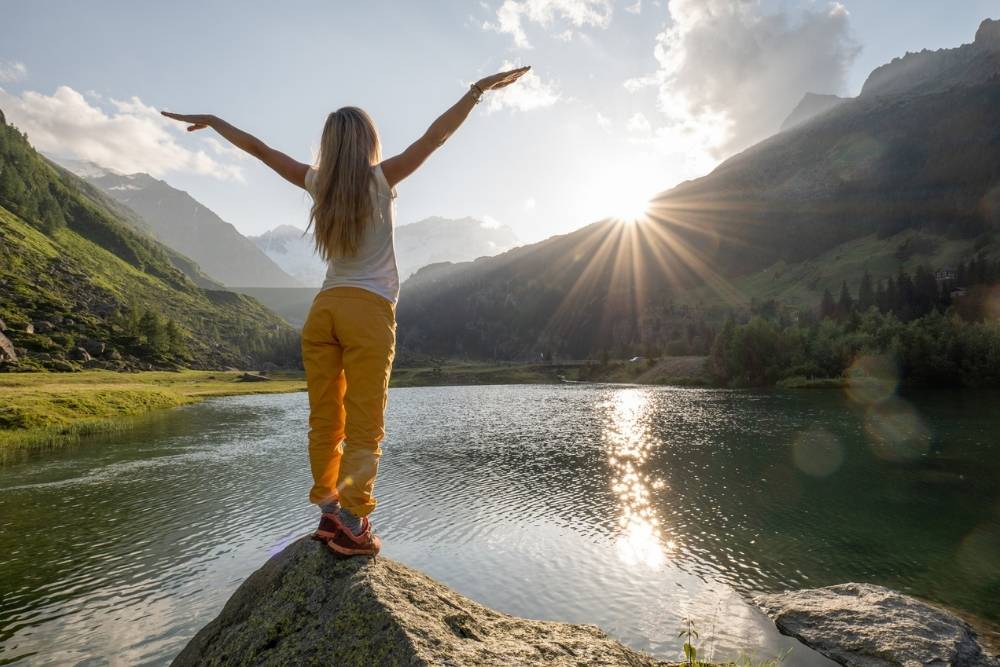
Here’s the thing: Even though human beings may be causing permanent damage to our climate, it prevails. Our planet may be here long after we are, and we can fight to protect it while still enjoying it—and its numerous mental health benefits.
Here are different, proven ways we can still revel in the beautiful nature we have today:
- A simple walk outside can lower your anxiety, stress levels, and sleep quality.
- Any type of outdoor activity (low- or high-intensity — doesn’t matter) can help with heart health, vitamin D intake, muscle tension, and immune health.
- Hanging out in a natural setting (a park, bike path, or riverside viewpoint) can help you problem-solve and get creative in daily life, helping you tackle obstacles that can pop up in recovery.
Plus, at Miramont, we offer nature-friendly recreational therapy in Waukesha, counseling that can help you get moving outside, build strategies for an active lifestyle, and create healthy thought patterns that may make you more resilient to the stress climate change can cause.
Protect The Climate And Your Mental Health in Wisconsin
Wisconsin is a wonderful place to receive treatment for mental health struggles, not only because Miramont Behavioral Health hospital puts your needs first with a personalized treatment plan, but because this state takes climate change seriously. We have a history of defending our water, air, and resources, and you can be a part of that. If it’s important to you to be educated and proactive for our climate, our Miramont teams support that.
In the meantime, get outside, enjoy the numerous benefits our ecosystem has always provided, and see if you can still tap into the beauty of the outdoors.