
One minute, your teen wants dinosaur-shaped chicken nuggets. The next, they’re casually explaining the difference between THC gummies and THC drinks like a tiny cannabis sommelier. Parenting moves fast.
THC edibles aren’t automatically life-ruining, and they don’t carry the same overdose dangers as opioids. But that doesn’t mean they’re harmless. At Miramont Behavioral Health, we help families understand how cannabis use may affect teen mental health and how to support teens without turning every discussion into a courtroom drama.
What Are Edibles?
According to the American Academy of Pediatrics, edibles are foods or drinks infused with cannabis extracts like THC, the chemical responsible for the high people experience with marijuana. Unlike smoking, edibles move through the digestive system first, which means the effects usually arrive later but may last longer.
First things first: You’re not dramatic for paying attention. If you’ve found edibles in your kid’s backpack, hoodie pocket, or bedside drawer, you may feel uneasy—which isn’t unfounded. You may also wonder if this is just normal teen experimentation while also questioning if brightly colored weed candy and a developing brain belong anywhere near each other.
Just know your child isn’t the only one. In 2022, the CDC reported that nearly one-third of 12th graders used cannabis in the past year, while some teens reported daily use. That could be due to marketing:
- THC companies often advertise these products as discreet, relaxing, convenient, or cleaner than smoking or vaping.
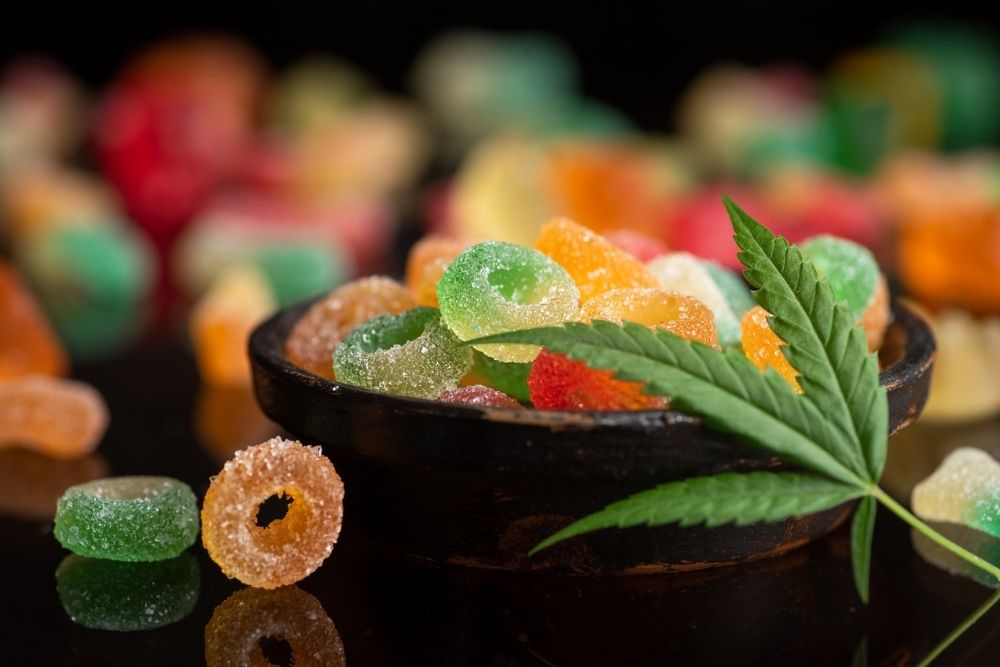
- Many products look almost identical to regular candy or snacks, too.
- This kid-friendly approach can help explain the popularity of edibles, since a gummy bear doesn’t exactly scream “life-altering threat”.
If you’re interested in becoming a human edible detector, you can look out for products that look like:
- Gummy candies or fruit chews
- Chocolate bars or fudge
- Cookies, brownies, cupcakes, or cereal treats
- Lollipops and hard candies
- Popcorn or chips
- Ice cream and desserts
- Lemonade, soda, or weed drinks
Some products even mimic familiar candy brands with slightly altered names. Research also suggests THC levels can vary widely between products, which may make it difficult for teens to know how much they’re consuming. And because edibles can take anywhere from 30-90 minutes to fully kick in, people sometimes keep eating more while insisting they feel absolutely nothing.
What Are the Harms of Edibles?
Many teens might view edibles the way previous generations viewed sneaking wine coolers from the garage fridge. Not ideal for the brain, maybe, but not dangerous either. The problem is that THC can affect teens differently than adults because adolescent brains continue to develop into the mid-20s. Studies suggest that regular cannabis use during the teen years may affect memory, attention, emotional regulation, learning, and mental health.
Parents in legalization studies also described feeling blindsided by how normal marijuana suddenly seemed everywhere, from neighborhood conversations to social media feeds to brightly packaged snacks sitting in stores. Packaging laws help, but they don’t completely solve the problem when products still resemble the candy aisle’s greatest hits.
Potential risks linked to teen edible use include:
- Trouble focusing and learning: THC may make school, memory, and concentration harder for some teens.
- Mental health concerns: Research links cannabis use with increased risk of anxiety, depression, paranoia, temporary psychosis, and schizophrenia in some individuals, especially with earlier and more frequent use.
- Stronger, longer-lasting intoxication: Edibles often hit later and last longer than smoking, which may lead teens to accidentally overconsume.
- Driving impairment: THC can affect coordination, reaction time, and decision-making behind the wheel.
- Easier to hide: Unlike smoke, gummies don’t leave much evidence behind besides an empty package stuffed under a car seat, but having them in your car or on your person without medical permission could lead to legal issues.
- Increased normalization: When teens constantly hear that weed is natural, harmless, or basically wellness with better branding, they may underestimate the risks.
- Irresponsible marketing and packaging: Even states with child-resistant packaging continue reporting accidental THC poisonings in children
How to Protect Your Teen From Edibles
You can’t follow your teenager around with a flashlight and a drug-sniffing canine. Protecting your teen from the harms of edibles doesn’t need to involve punishment or panic. Staying connected enough that your teen still talks to you when things get messy is a great place to start.
A few other ways to reduce exposure and risk include:
- Store THC products like medication: Keep edibles locked away and out of reach, especially because many products look identical to regular snacks.
- Avoid casual THC use around your children: Even subtle normalization may cause teens to minimize the risks.
- Avoid buying lookalike products: Some THC candies intentionally resemble popular sweets, which may attract younger children and teens.
- Focus on safety, not scare tactics: Teens tend to tune out catastrophic messaging. Honest conversations about brain development, driving, and mental health often work better. It’s also completely reasonable to ask relatives, babysitters, or friends how they store THC products.
- Teach emergency steps: If someone accidentally consumes too much THC, your teen should know how to ask for help quickly without panicking. If a child unintentionally eats an edible, poison control experts recommend calling 1-800-222-1222 immediately for guidance. Severe symptoms may require emergency care.
At some point, protecting your teen will probably become less about total control and more about building trust, awareness, and communication. The good news? Teens may listen more than they pretend to, even when they respond to your carefully crafted safety talk with a single exhausted okayyyy.
Support Teen Mental Health in Wisconsin
Miramont Behavioral Health helps Wisconsin families navigate teen mental health, substance use concerns, and emotional challenges with compassion and practical support near Waukesha and Middleton. To learn more about THC and the teen brain, explore our Miramont Health Library today.