
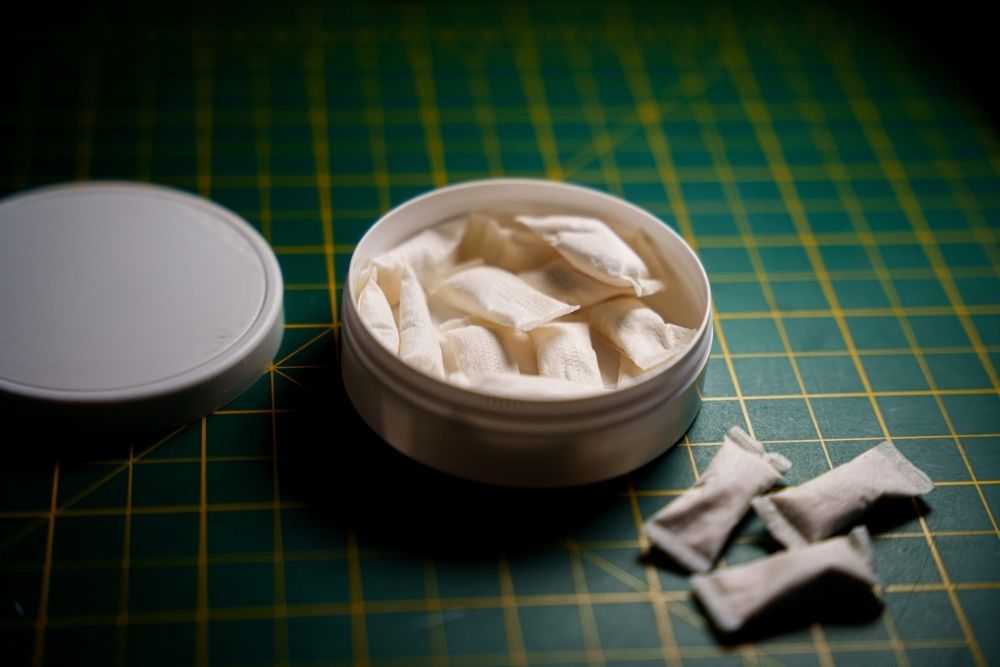
Does your teenager seem more irritable and restless than usual, snapping over tiny things or complaining about headaches and nausea? All of these signs can freak a parent out, especially if you’ve found evidence of nicotine use, like small, round tins with tiny white pouches inside tucked behind their belongings.
Support exists. Miramont Behavioral Health Hospital provides care in Middleton and Waukesha for families of teens who may be struggling with substances, anxiety, depression, or even suicidal thoughts. But first, let’s get educated about teen use of nicotine pouches.
What Are Nicotine Pouches?
Nicotine pouches sit between the lip and gum, where the body absorbs nicotine without smoke or vapor, making them easy to overlook. Even though they may look harmless, they still deliver nicotine, which can severely impact a developing brain in harmful ways.
Here’s what the Centers for Disease Control (CDC) thinks you should know about how nicotine patches work and why your teenager might use them:
- Tobaccoless. Some pouches contain nicotine derived from tobacco, while others use lab-made nicotine. Even when labeled tobacco-free, they can still deliver nicotine to the body.
- Smokeless and odorless. These products don’t produce visible smoke or strong odors, making them easier to hide both at school and at home.
- Flavored options. Many come in flavors such as coffee, mint, citrus, or cinnamon, which can make them feel less harsh and more appealing to younger consumers.
- Disposable and discreet. Teens don’t need to spit or use any paraphernalia. They can use a pouch and dispose of it quickly, often without drawing your attention.
Why Are Teens Using Them?
If this trend feels sudden, there’s a reason. Research from the University of Southern California shows that nicotine pouch use nearly doubled among U.S. high school students between 2023 and 2024, based on surveys of more than 10,000 teens.
Here are some potential reasons why, based on research:
- Age and brain development. Utah State University notes that teens’ brains still grow and change, especially in areas tied to decision-making, mood, and impulse control. Because of this, they’re more susceptible to engaging in harmful behaviors that they can’t fully grasp the weight of yet.
- Social media. Some online influencers promote nicotine pouches as a way to feel more confident, focused, or in control. That messaging, combined with unmonitored or unregulated screen time, can shape how teens view these products, especially if they already feel pressure to fit in or perform.
- Shifts in other nicotine product trends. There’s also a shift happening with other nicotine products. The same Utah State research found that vaping rates declined slightly, while nicotine pouch use increased. Some teens may be switching from vaping to pouches, or even use both, which can increase overall nicotine exposure.
- More vulnerability among certain teens. Certain groups of teens may face a higher risk of nicotine pouch use. Research suggests that male teens, non-Hispanic white teens, and those living in rural areas may use nicotine pouches more often, which mirrors patterns seen with other smokeless tobacco products.
All in all, it’s not just one reason. It’s a mix of accessibility, messaging, brain development, and changing trends that can pull teens toward these products.
How Do Nicotine Pouches Affect the Mental Health of Teens?
Nicotine can change how the brain manages mood, attention, and impulse control, especially during the teen years, potentially making emotional ups and downs feel more intense and harder to manage.
Often, the starkest negative mental health effects in teens show up when they’re experiencing withdrawal from nicotine products, which can happen when their body starts to depend on them.
Here’s how that might look to you:
- Mood changes. Your teen might seem more emotional than usual, shifting quickly from calm to upset without a clear reason. These changes could connect to how nicotine affects brain chemistry.
- Irritability. Small frustrations might turn into bigger reactions. Withdrawal can make patience feel harder to access, even in situations your teen usually handles well.
- Restlessness. You might notice pacing, trouble sitting still, or a sense that your teen can’t relax. This can happen when the body starts craving nicotine.
- Physical discomfort. Headaches, dizziness, or nausea might come and go. These symptoms could appear when nicotine levels rise or fall in the body.
- Hidden items or secretive behavior. Finding small tins or white pouches might confirm what you’ve been noticing behaviorally—like secrecy or lies, tying physical signs to emotional changes.
None of these signs guarantees nicotine use, but together they can paint a clearer picture.
How to Help Teens With Nicotine Dependence in Waukesha
If you’re unsure how to approach your teenager about their nicotine pouch use, that’s okay. You don’t need the perfect words, just a willingness to listen and be present. Miramont Behavioral Health Hospital in Middleton and Waukesha can help you get there.
Our Waukesha outpatient team supports teens dealing with any of the following issues:
- Substance use disorder
- Anxiety
- Depression
- Other mental health challenges, like suicidal thoughts or bipolar disorder
We also help your family unit build stronger communication and understanding. You don’t have to figure this out alone, and your teen doesn’t have to carry it alone either.
Find Mental Health Support For Your Teenager in Wisconsin
Nowadays, with influencers advertising bad habits and flavored products that speak to adolescent sensibilities, it’s easier for teens to fall into nicotine pouch use. And while nicotine pouches may seem trivial, their impact can grow quickly, making them more likely to develop a serious substance use disorder down the line.
Help is available. Contact us to learn more.