
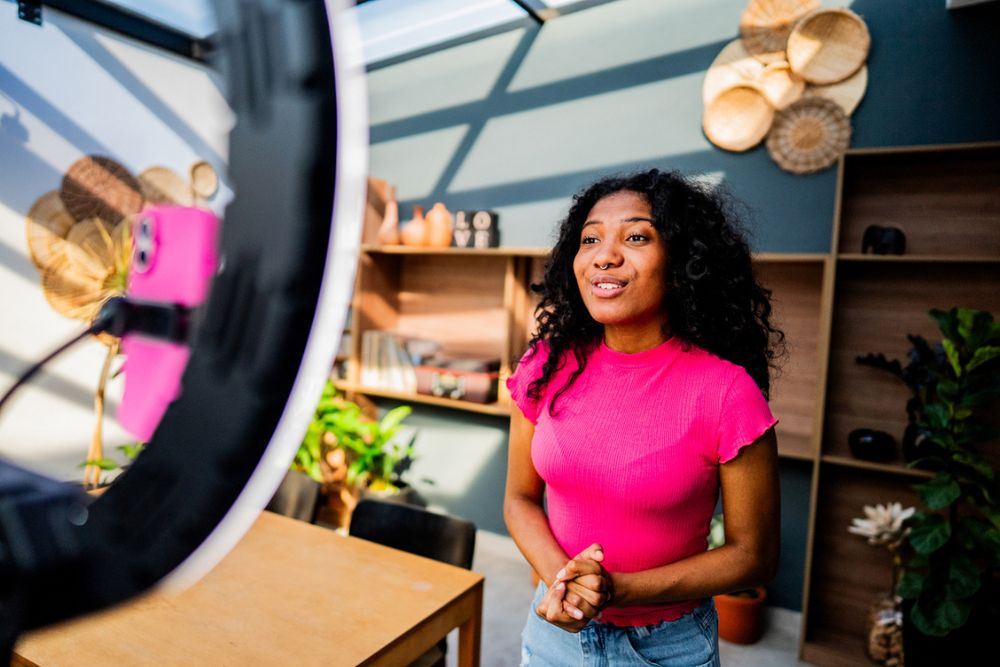
We’ve all been there: it’s after midnight, and you’re still scrolling video after video, each promising the cure for your mental health troubles. For many, that kind of certainty and simplicity may feel a lot more useful and validating than a doctor’s appointment or an uncomfortable therapy session.
But at Miramont Behavioral Health Hospital in Waukesha, we don’t condense a mental health diagnosis into a 30-second video on an app. And while we understand that finding a label for what you’re feeling on social media can feel like a relief, it rarely comes with a treatment plan that works.
Learn why it’s important to take mental health content with a very large grain of salt, and where you can get a verified diagnosis and a customized care plan made just for you—not an audience.
Why Are Mental Health Influencers So Convincing?
Part of why self-help videos can convince someone that they’re dealing with a specific mental health or behavioral disorder is that the narrative can feel personal and compelling while providing simple instructions for finding relief (sort of the opposite of a crowded waiting room). We don’t blame you for thinking that kind of content is more valuable than medical treatment you’ve received in the past.
That said, there are some aspects about social media content that you may want to know before placing your trust in a content creator who isn’t a clinician or medical professional:
- Research suggests that platforms like TikTok tend to reward bold, simple claims over slower, more careful, nuanced explanations.
- Public health researchers have reported a similar pattern behind viral wellness advice online, where nuance can often get smothered by confident claims.
- People posting the content may be selling a course or product alongside their advice, with the ultimate goal of making a profit.
- Some studies show that, on TikTok, mental health content focusing on depression and bipolar disorder could be misleading or inaccurate 90% of the time.
- We may be much more vulnerable to developing inaccurate conclusions about ourselves from social media, since we’re naturally wired to consume what we agree with and reject what we don’t.
None of this means every creator is dishonest. In fact, some share careful, well-sourced information that can genuinely help you. You can check whether that’s the case for your favorite creators by comparing their claims with sources beyond views and likes, like peer-reviewed research or articles on university websites.
How Accurate Is Mental Health Advice on Social Media?
Not very, according to the researchers who have actually checked. One 2025 ADHD video study showed that more than half of the ADHD-related content on TikTok reviewed could be described as misleading, with overly generalized symptoms. The two psychiatric health professionals who participated in the research said only around 20% of that content was actually helpful. There were also multiple instances of content that made claims based on personal experience rather than clinical research. A separate study from Plush Care, a service that connects patients with doctors virtually, found that more than 80% of mental-health-related TikTok videos were misleading.
All of this is to say that watching that type of content and arriving at a self-diagnosis can be unproductive, since self-diagnosing often leads to incorrect conclusions. Of course, self-diagnosis isn’t always wrong. But your curiosity shouldn’t stop there.
How Can Influencers Complicate Treatment for Co-Occurring Disorders?
The confidence some influencers project can discourage you from asking more pointed questions. You might watch a video, decide you have anxiety, and start using creator-recommended breathing tricks or products that do help you calm down. Meanwhile, an unnamed substance use disorder you’ve been using to cope with those same symptoms could be going unaddressed.
Something like our dual diagnosis program, which identifies and treats all the disorders you’re dealing with at once, can be much more effective. Especially since mental health conditions and substance use disorder so often occur together. Plus, a full evaluation can catch conditions a single video may not even mention. And our confidential assessment is a low-pressure way to find out what’s really going on.
What Does Real Treatment Look Like at Miramont?
It starts with a full evaluation that looks at you, not a group of users who think like you. Our clinicians build an individual plan around evidence-based therapies, such as CBT or acceptance and commitment therapy.
Depending on what you need, that plan might include our outpatient day program, which offers daytime structure while you return home each night, or cognitive group therapy sessions to help you change your worldview alongside your peers.
Our adolescent care program also supports one of the most vulnerable populations on social media: teens, who may spend the most time consuming mental health content on online spaces they should be avoiding.
How Can You Build Healthier Habits?
Start small by trimming scroll time instead of cutting it off completely. Small changes, like our tips on spending less time on your phone, can also free up space for care built around you. Family members supporting someone through this can also lean on us instead of a feed. We run support for families sessions, built for exactly that role.
How Miramont Supports Your Next Steps in Wisconsin
Recognizing your struggles in a video can be a first step, but it isn’t usually the answer to your problems or the end of your mental health journey. Our clinicians in Middleton and Waukesha don’t reduce diagnoses to a generalized clip. Rather than deliver a recorded monologue, we build relationships through dialogue and inpatient support with around-the-clock care. Contact us whenever you’re ready to learn more.