
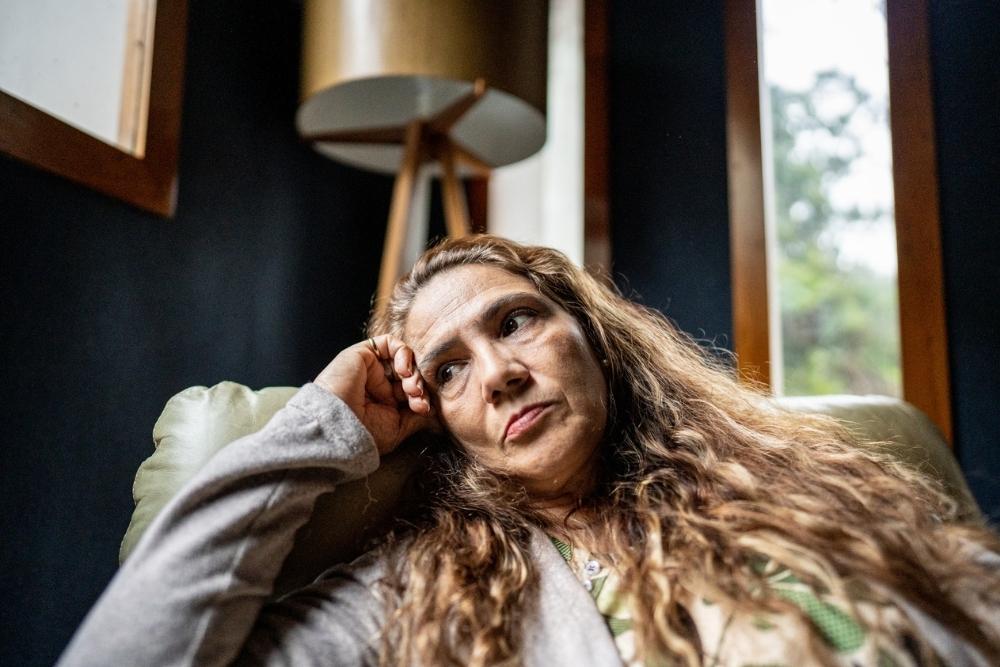
Did this come from my family? Did an experience trigger this? Is it my fault? These might be some of the quiet, agonizing questions that you ask yourself if you or someone you love struggles with bipolar disorder (BD).
You might rerun childhood memories, look back regretfully at stressful seasons, periods of loss—perhaps even past substance use—and beat yourself up. And if signs point toward your BD as genetically inherited, does that mean you can’t ever really manage it?
This conversation around nature versus nurture sits at the heart of BD.
At the same time, understanding how your biological makeup influenced your bipolar disorder diagnosis can be incredibly empowering. Let’s learn what BD looks like, what research has unveiled about genetics, and how environment still shapes lived experience.
What Is Bipolar Disorder?
It’s certainly not an easy pill to swallow, but it is manageable. Treatment can include a mix of medication, therapy, consistent sleep, eating, and exercise routines, along with lifestyle changes.
So let’s break it down.
Bipolar disorder creates stark mood shifts that can look dramatic, bewildering, and exhausting for both you and the people around you. At times, your energy and thoughts may race, while at other times, everything may slow down and feel painfully empty—like a deep depression. These highs and lows can destroy your sleep, relationships, decision-making, and daily routines in life-altering ways.
There are several types of BD, and each one shows up a little differently:
- Bipolar I: Full manic episodes that may last days or require hospital care, often paired with depressive episodes that can last up to weeks on end.
- Bipolar II: Depression along with hypomania, which feels like a milder version of mania but can still disrupt your life.
- Cyclothymic: Ongoing ups and downs that feel less intense but stretch on for years.
Some people may also experience what MedlinePlus calls rapid cycling, which refers to having several stark mood swings within a single year. While researchers don’t know the exact cause of BD and its various types, they’re fairly sure it can develop through a mix of genetics, individual brain chemistry, and lived experiences—especially traumatic ones.
What Do Genetics Have to Do With Bipolar Disorder?
When people talk about BD running in families, they usually want to know how much control genetics really has. But, science no longer sets biology and life experience up as two competing factors—rather, they form a type of partnership that can contribute to risk, while also creating resilience together.
Recent genetic research has dramatically expanded what experts understand about BD. When scientists studied genomes—the complete set of DNA within a person, from every cell to every chromosome—they identified hundreds of genome regions associated with higher BD risk, showing that the disorder involves many genes working together rather than a single cause.
The researchers found a few interesting developments:
- They identified nearly 300 genetic regions linked to BD risk across millions of people from diverse ethnic backgrounds.
- They found that dozens of specific genes connected to brain pathways tied to mood regulation—usually related to how brain cells communicate with each other when feeling emotions or making decisions.
- They saw that genetic patterns differed across populations and bipolar subtypes, meaning that future care may become more personalized and gene-specific.
Even though these discoveries matter, genetics still doesn’t tell the whole story of BD.
Here’s why:
- Stressful life events can influence if, when, and how symptoms manifest.
- Sleep patterns, routines, and support systems matter more than people often realize when it comes to stabilizing your mood.
- Individual experiences shape how symptoms feel day to day, so two people with similar genetics may live very different BD realities.
In short, genetics may load the gun, but an environment can pull the trigger—while treatment helps you put the safety on.
How Can Miramont Behavioral Health Hospital Support Bipolar Disorder Patients in Wisconsin?
Trying to guess what’s actually going on or bracing for the next mood shift when you finally do understand what’s happening can be exhausting, and Miramont can step in to give you a break.
We treat bipolar disorder using evidence-based care in a supervised setting that’s actually equipped for the disorder’s highest highs and lowest lows. Our care team supports adolescents, adults, and older adults while also addressing related conditions like anxiety, depression, or psychosis that may occur alongside BD. By offering holistic care, we can better focus on stabilizing you, understanding your nuanced symptoms, and helping you regain a sense of control.
That can all be done through several levels of care:
- Acute inpatient care in Middleton: Short-term, 24-hour support during a mental health crisis with medical supervision and therapy.
- Partial hospitalization programs: Structured daytime treatment that allows you to return home in the evenings.
- Medication management: Finds and adjusts medications that may support mood stability over time.
- Individual and group therapy: A space to build coping skills, insight, and connection with peers in the same boat.
- Aftercare planning in Waukesha: For a smoother transition back into daily life with outpatient and community resources.
No matter which services work best for you, you’ll have the chance to feel steadier, safer, and better equipped to manage your BD long-term.
Find Support for Bipolar Disorder in Waukesha
BD may have roots in both genetics and trauma, but knowledge can give you the leverage to overcome it. If you live in or near Waukesha and Middleton, Miramont Behavioral Health Hospital can provide the compassionate care that can make your reality richer, calmer, and less dominated by BD.
Contact our care team today to learn how professional support could help you or your loved one get their BD under control and enjoy life confidently despite symptoms.